House of Science
Data Diagnostics Alumni: How House of Science plugged the gaps in its data.

Data Diagnostics Alumni: How House of Science plugged the gaps in its data.
Charitable trust House of Science’s experiences with two of ImpactLab’s programmes is a prime example of how already good data collection can become even better with just a few small tweaks – and how comprehensive data collection can enable great conversations with funders.
House of Science works to enhance science education in primary and secondary schools around Aotearoa through teacher professional development and lesson resource kits.
As number enthusiasts themselves, Business Development Manager Sandra Kirikiri shares that House of Science had always aimed to collect a wealth of data through the running of their programme, and wanted to put this to good use.
“We were in a position where we had collected all this data,” Kirikiri says. “But, with no analysis or deeper understanding into the impact we were creating, it was kind of like, so what?”
Founded in Tauranga in 2013, House of Science believe in the effectiveness of empowering teachers with the resources and skills they need to create engaging science lessons for students. This is found to enable the understanding, curiosity and critical thinking in this area that paves the way towards future careers in science.
However, driven by funding, House of Science discovered that sponsors were more inclined to invest their money in school-leaver or university scholarships, rather than in the earlier years of schooling.
“It’s harder to identify the link between, say, a six-year-old and their eventual impact on the science industry years down the track,” says Kirikiri.
“However, we are firm in the belief that if you don’t get kids into something before the age of 10 and continue to nurture this interest, it tends to be written off as a career opportunity for them."
“What we needed was for our sponsors to understand what the return on investment was.”
Enlisting ImpactLab in this task, the resulting GoodMeasure report found House of Science to produce an impressive social value of over $25 million in one year, with $10.20 of social return for every $1 invested in their programme.
These figures are a tangible representation of the positive social outcomes produced by the charitable trust’s work, including increased academic achievement, improved mental health and increased STEM achievement.
However, to produce these results, House of Science first needed to enlist ImpactLab’s Data Diagnostic Tool, to improve their data collection processes, and ensure they were compatible for measurement of social value.
One aspect this prompted change in, was measurement of the numbers of students engaging with the resource kits. Previously, this was collected by sending follow-up surveys to teachers, and asking them to select whether they had taught 1-10, 10-20, or 20-30 kids with the kits.
“Our reply rate from teachers was ridiculously low – maybe around 20 percent - and with an output of approximately 4000 kits per week, you’re left with a large variance in the number of students that you’ve reached,” says Kirikiri.
House of Science now require teachers to fill out the exact number of students that are set to use a kit before they are able to place their order.
Particularly for data as important as population size, this is a prime example of the ways that data collection can be streamlined for optimal efficiency, accuracy, and insight.
Depicting their GoodMeasure results through the report and a one-page summary, House of Science utilise ImpactLab’s data analysis for engaging with sponsors and government officials, in order to show the significant value-add they can offer.
Now offering over 40 different kits, House of Science operates through 20 different branches around the country, and engages with over 700 schools to create widespread opportunity for New Zealand teachers.
Data Diagnostics Alumni: How House of Science plugged the gaps in its data.
Charitable trust House of Science’s experiences with two of ImpactLab’s programmes is a prime example of how already good data collection can become even better with just a few small tweaks – and how comprehensive data collection can enable great conversations with funders.
House of Science works to enhance science education in primary and secondary schools around Aotearoa through teacher professional development and lesson resource kits.
As number enthusiasts themselves, Business Development Manager Sandra Kirikiri shares that House of Science had always aimed to collect a wealth of data through the running of their programme, and wanted to put this to good use.
“We were in a position where we had collected all this data,” Kirikiri says. “But, with no analysis or deeper understanding into the impact we were creating, it was kind of like, so what?”
Founded in Tauranga in 2013, House of Science believe in the effectiveness of empowering teachers with the resources and skills they need to create engaging science lessons for students. This is found to enable the understanding, curiosity and critical thinking in this area that paves the way towards future careers in science.
However, driven by funding, House of Science discovered that sponsors were more inclined to invest their money in school-leaver or university scholarships, rather than in the earlier years of schooling.
“It’s harder to identify the link between, say, a six-year-old and their eventual impact on the science industry years down the track,” says Kirikiri.
“However, we are firm in the belief that if you don’t get kids into something before the age of 10 and continue to nurture this interest, it tends to be written off as a career opportunity for them."
“What we needed was for our sponsors to understand what the return on investment was.”
Enlisting ImpactLab in this task, the resulting GoodMeasure report found House of Science to produce an impressive social value of over $25 million in one year, with $10.20 of social return for every $1 invested in their programme.
These figures are a tangible representation of the positive social outcomes produced by the charitable trust’s work, including increased academic achievement, improved mental health and increased STEM achievement.
However, to produce these results, House of Science first needed to enlist ImpactLab’s Data Diagnostic Tool, to improve their data collection processes, and ensure they were compatible for measurement of social value.
One aspect this prompted change in, was measurement of the numbers of students engaging with the resource kits. Previously, this was collected by sending follow-up surveys to teachers, and asking them to select whether they had taught 1-10, 10-20, or 20-30 kids with the kits.
“Our reply rate from teachers was ridiculously low – maybe around 20 percent - and with an output of approximately 4000 kits per week, you’re left with a large variance in the number of students that you’ve reached,” says Kirikiri.
House of Science now require teachers to fill out the exact number of students that are set to use a kit before they are able to place their order.
Particularly for data as important as population size, this is a prime example of the ways that data collection can be streamlined for optimal efficiency, accuracy, and insight.
Depicting their GoodMeasure results through the report and a one-page summary, House of Science utilise ImpactLab’s data analysis for engaging with sponsors and government officials, in order to show the significant value-add they can offer.
Now offering over 40 different kits, House of Science operates through 20 different branches around the country, and engages with over 700 schools to create widespread opportunity for New Zealand teachers.
%20(1).jpg)
ALLKND
As ALLKND prepared to scale, it wanted to make sure it was building the right foundations for measuring impact: understanding the outcomes it was working towards, for whom, and what data it would need to demonstrate them over time.

Kilmarnock Enterprises
The GoodMeasure report has reinforced our view that its a strong program.
MoneyTime
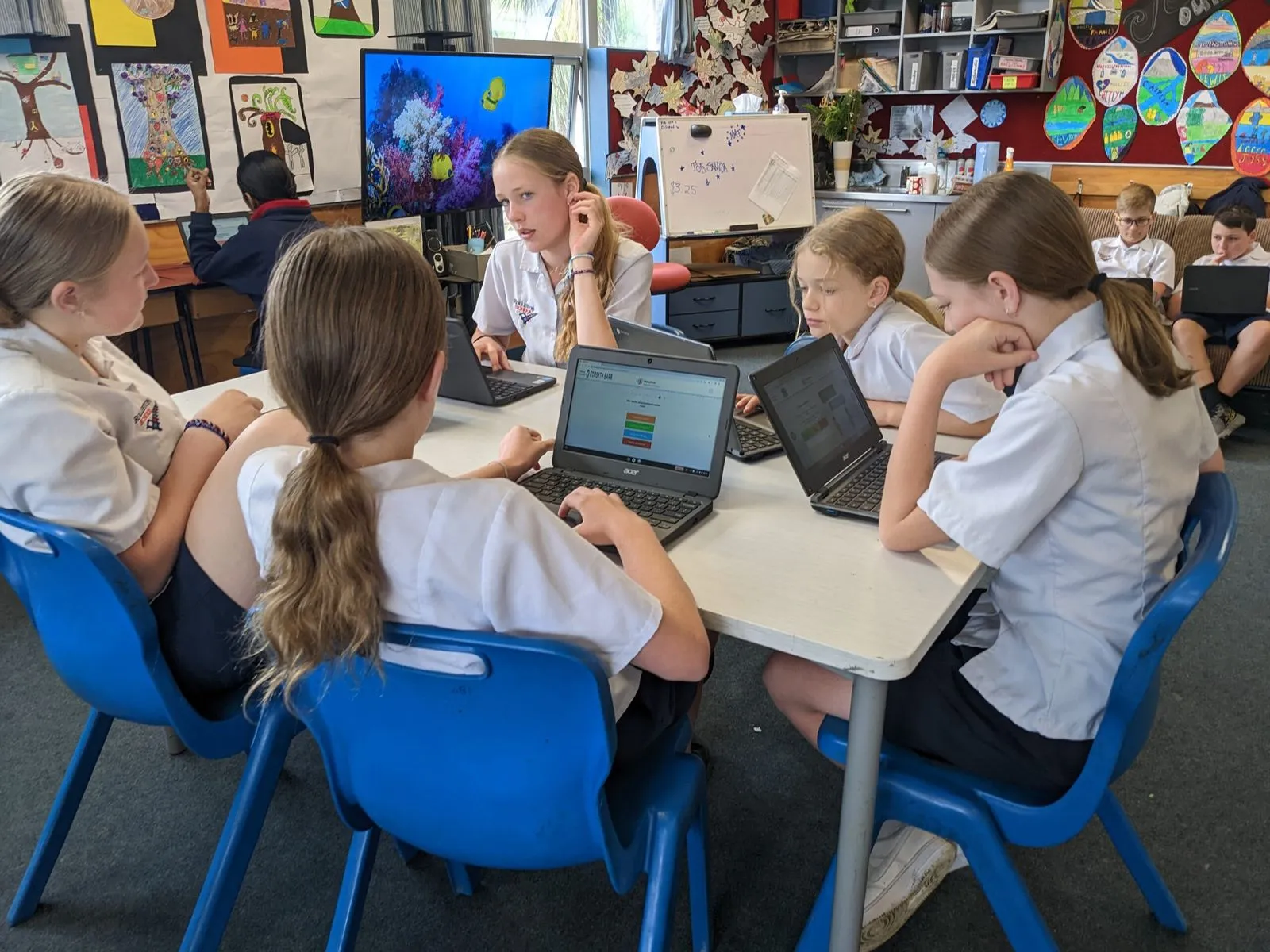
Our MoneyTime financial literacy program for 10-14 year olds is provided free of charge into New Zealand schools.

Home & Family Charitable Trust
Shifts are needed based on what the data is telling us.
Get in touch
We help impact organisations know, show and grow their social impact. Let’s work together to do good, better!