Wellington City Mission
The GoodMeasure process helps us meet that responsibility.


As agencies serving the community, we have a responsibility to do our best. I believe the GoodMeasure process helps us meet that responsibility by challenging and encouraging us, ensuring that whatever we offer is the best possible service to the community we serve.
As agencies serving the community, we have a responsibility to do our best. I believe the GoodMeasure process helps us meet that responsibility by challenging and encouraging us, ensuring that whatever we offer is the best possible service to the community we serve.
What was our aim in completing a GoodMeasure report?
We wanted to understand the real value of our work beyond meals served or people housed. GoodMeasure gave us independent, evidence-based insight to hold ourselves to a higher standard. We also wanted to be challenged: were we investing wisely, and were our programmes driving long-term, sustainable change?
What did we learn from our GoodMeasure report?
The report challenged us to rethink traditional charity models, by pinpointing which services create the most social value. A big takeaway for us was the importance of early intervention and wraparound support in driving the best outcomes - rather than waiting to act until someone reaches crisis. By quantifying that our day-to-day, relational support made the biggest impact, the report confirmed that those human moments are often the most valuable, and showed us the importance of being honest about what works and what doesn’t.
How did the report impact our organisation?
The report sharpened our focus on key drivers of positive outcomes, giving us confidence to prove our value to funders and stakeholders. We shifted from reporting outputs (the number of food parcels, or bed nights) to outcomes (how many people transition to permanent housing). This deeper communication strengthens our advocacy and influences how we engage in conversations around social investment.
How did we use the GoodMeasure insights to make tangible changes?
We used the findings to refine our strategies, allocate resources more effectively, and discontinue the less effective programmes. Recognising that early engagement yields the highest social return, we restructured services, adding frontline staff at our drop-in centre and expanding early mental health support. We also reviewed the programmes that weren’t delivering outcomes, winding down or shifting approaches. Internally, this created a disciplined culture that regularly asks: Is this still working? Is it creating real value?
What was our aim in completing a GoodMeasure report?
We wanted to understand the real value of our work beyond meals served or people housed. GoodMeasure gave us independent, evidence-based insight to hold ourselves to a higher standard. We also wanted to be challenged: were we investing wisely, and were our programmes driving long-term, sustainable change?
What did we learn from our GoodMeasure report?
The report challenged us to rethink traditional charity models, by pinpointing which services create the most social value. A big takeaway for us was the importance of early intervention and wraparound support in driving the best outcomes - rather than waiting to act until someone reaches crisis. By quantifying that our day-to-day, relational support made the biggest impact, the report confirmed that those human moments are often the most valuable, and showed us the importance of being honest about what works and what doesn’t.
How did the report impact our organisation?
The report sharpened our focus on key drivers of positive outcomes, giving us confidence to prove our value to funders and stakeholders. We shifted from reporting outputs (the number of food parcels, or bed nights) to outcomes (how many people transition to permanent housing). This deeper communication strengthens our advocacy and influences how we engage in conversations around social investment.
How did we use the GoodMeasure insights to make tangible changes?
We used the findings to refine our strategies, allocate resources more effectively, and discontinue the less effective programmes. Recognising that early engagement yields the highest social return, we restructured services, adding frontline staff at our drop-in centre and expanding early mental health support. We also reviewed the programmes that weren’t delivering outcomes, winding down or shifting approaches. Internally, this created a disciplined culture that regularly asks: Is this still working? Is it creating real value?
%20(1).jpg)
ALLKND
As ALLKND prepared to scale, it wanted to make sure it was building the right foundations for measuring impact: understanding the outcomes it was working towards, for whom, and what data it would need to demonstrate them over time.

Kilmarnock Enterprises
The GoodMeasure report has reinforced our view that its a strong program.
MoneyTime
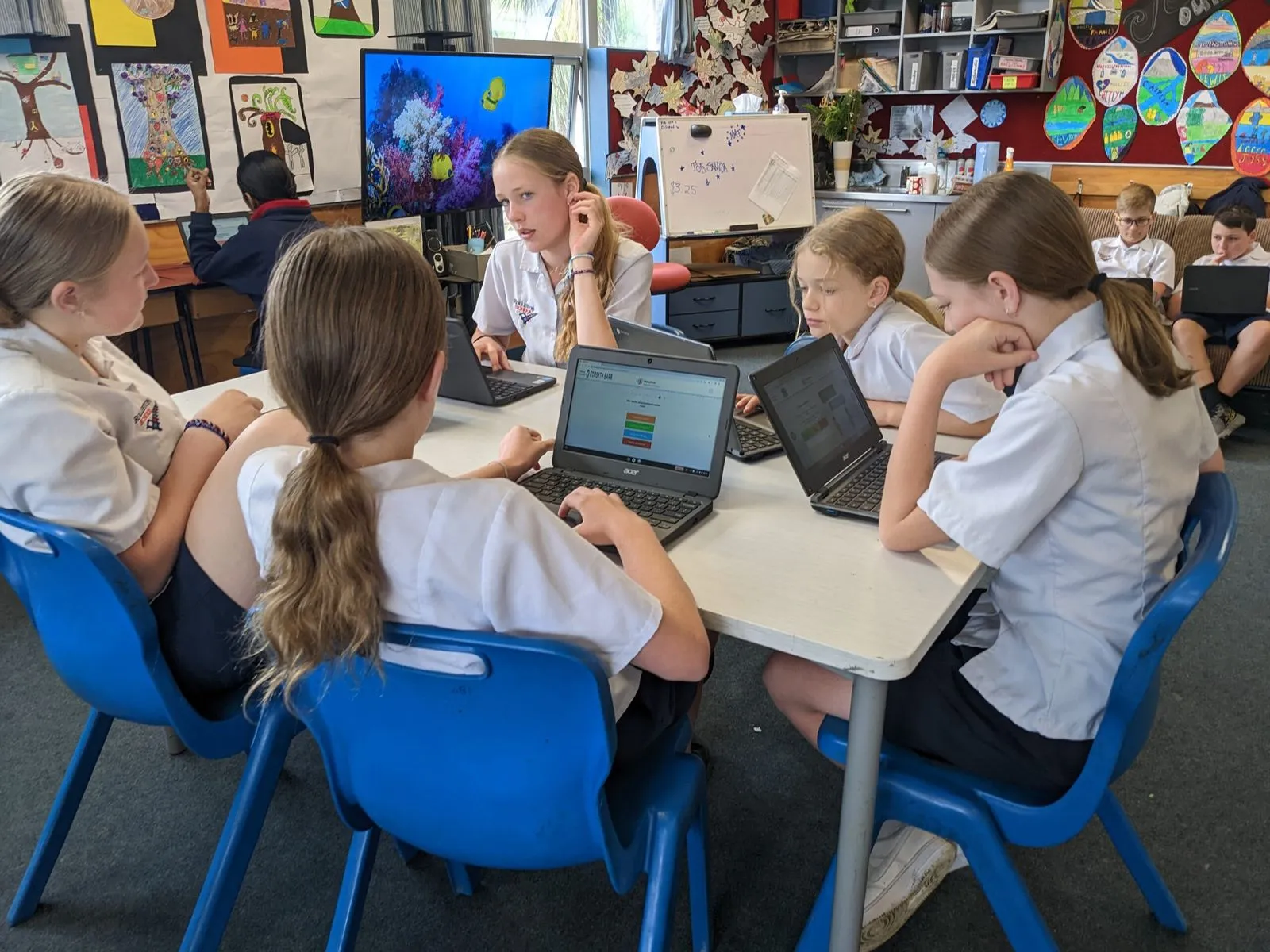
Our MoneyTime financial literacy program for 10-14 year olds is provided free of charge into New Zealand schools.

Home & Family Charitable Trust
Shifts are needed based on what the data is telling us.
Get in touch
We help impact organisations know, show and grow their social impact. Let’s work together to do good, better!